Lola’s sundry store smelled of dried fish and mothballs, the scent clinging to her baro’t saya as she shuffled between shelves bowed under cans of sardines and sacks of rice. For 40 years, she kept accounts in a ledger whose pages curled like shrimp shells, her handwriting a jagged mix of numbers and reminders: “Manong Toto: 2kg sugar, paid in crabs. Aling Nena: 1L kerosene, owes 50 pesos.” I’d sit behind the counter, legs swinging above the concrete floor, as she haggled with fishermen over prices. “Anak, count the coins,” she’d say, sliding me a rusted bilao. Her hands, knuckles swollen into archipelagos, never stilled—mending nets at dawn, stacking goods with care, and pressing pesos into my palm for merienda.
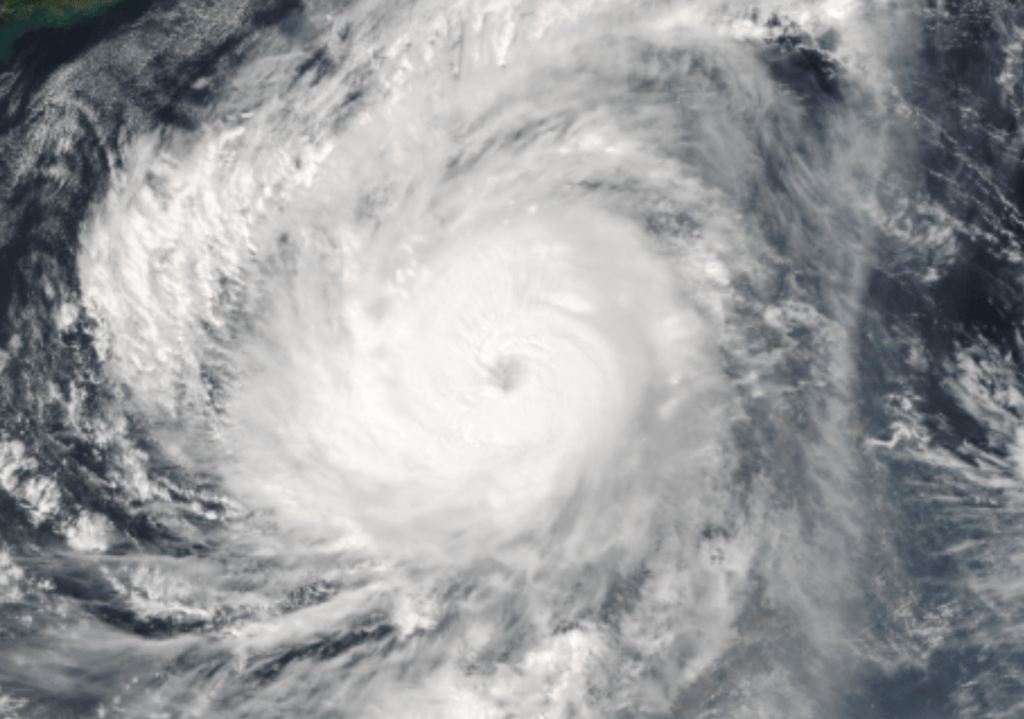
When Typhoon Lando hit, seawater surged through the store’s cracks, pooling around our ankles. Lola waded to the counter, blotting the ledger with her duster as ink bled across the pages. “Numbers don’t drown,” she muttered, though her voice wavered when she found the entry for “Mang Luis: 3kg rice, paid tomorrow.” Mang Luis’s boat had capsized that morning. For weeks, we ate tuyo by candlelight, the store’s shelves half-empty. But Lola reopened the next day, propping a plywood sign: “Utang allowed.” Debt as lifeline, trust as currency.
Years later, dengue fever swept our province. At 16, I mapped outbreak clusters for Columbia’s health program, thrilled when my algorithm predicted hotspots weeks in advance. I showed Lola the graphs—neon lines spiking over our town. She squinted, her finger tapping the screen. “Why so many lines? Where are the people?” I bristled. People were variables in my code. But that night, I rewrote the model, adding qualitative layers: interviews with mothers who layered vinegar-soaked clothes on feverish children, fishermen who noted mosquito swarms before rains. The next iteration wasn’t just accurate, but it was human.
Last summer, I brought her an EEG headset, explaining my APEC research on heatwaves and cognition. She watched me attach electrodes to a neighbor’s son, his forehead glistening in the humid dark. “You’re measuring his utak,” she said, “but who measures his hunger?” Now, I annotate neural datasets with field notes: “Subject 3 skipped breakfast; father’s boat delayed by squalls.” Her latest ledger entry: “Loan: Askia, 500 pesos. Paid: stories.”
At 78, Lola still runs the store. The ledger’s spine is cracked, its pages stained with salt and sweat. But she’s added a new column: “Bayad na—Paid.” Next to my name, she’s scribbled “Dengue maps, 2019” and “Brain machine, 2023.”
When I ask why, she shrugs. “Your numbers feed my numbers.”
The storm taught me resilience. Lola taught me reciprocity.
By Askai Khryss Roxas

