Clink.
The teacup met the saucer as the room filled with soft laughter and scattered applause. Our performance had just ended, but the warmth lingered. I’ve visited many senior living homes as part of Melodies for the Elderly, a student-led group that brings music to older adults—but that day felt different.
We were gathered around a woman who had just celebrated her 100th birthday. Her age, though remarkable, wasn’t what struck me most; it was her grace. I sat beside her as she smiled at the flickering candles, her hands folded neatly in her lap.
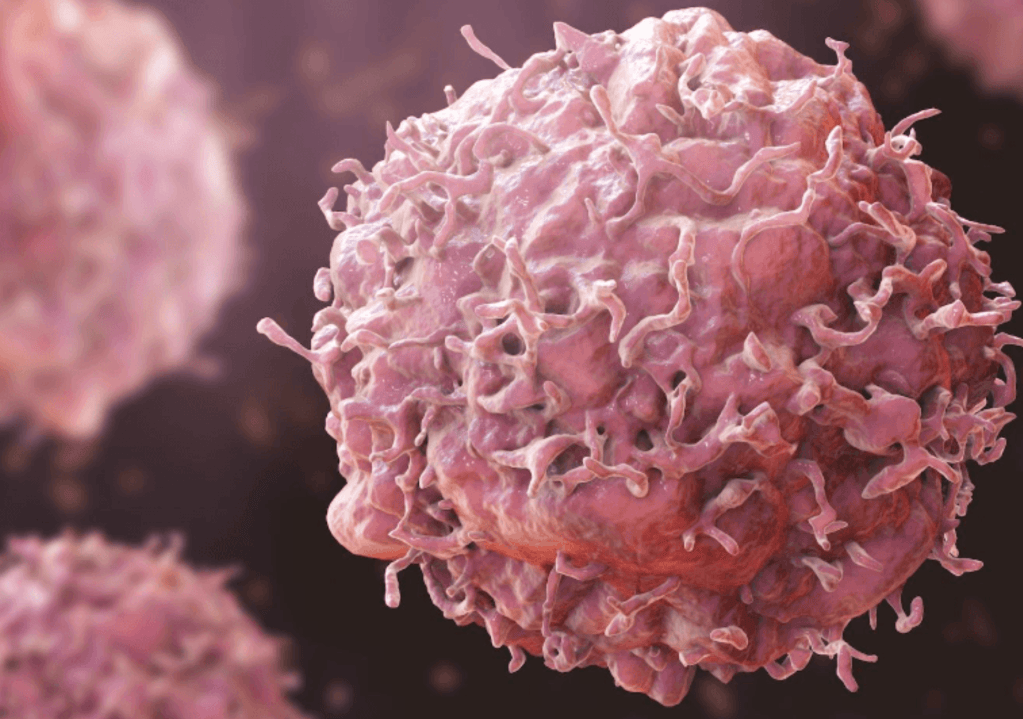
Between stories of her childhood and family, she casually mentioned her cancer. There was no trace of fear or sadness in her voice. She spoke of it as though it were an old acquaintance, not an enemy. I remember feeling my heart tighten. How could someone who had lived through a full century, a person who had seen the world shift and evolve, still have to battle something as cruel as cancer?
That conversation stayed with me long after the music faded. I kept in touch with her through my visits, and each time I admired her unshakable calm. I had played piano that day, and over time, she’d tell me how the music reminded her of her youth, when her family would gather around a small radio to listen to live broadcasts. It amazed me how a few notes could bridge generations.
Eventually, I shared with her my hope of studying cancer biology and bioinformatics, hoping to one day help people like her. She smiled and simply said, “That would be wonderful.”
Her quiet strength planted the first seed of curiosity in me. I started to read everything I could about cancer, biology, and genetics. I learned how cancer begins, how it grows, and why so many questions remain unsolved. Over time, I discovered bioinformatics: a field where science and data unite to uncover hidden patterns in diseases like cancer, offering new hope for early detection and treatment.
Her attitude taught me more than any textbook. It showed me that age doesn’t dim a person’s light, and that hardship can coexist with hope. That realization made me more optimistic about what I could achieve, both in research and in life.
One day, I hope the world will honor her strength—through cures as well as through songs. And I hope that when someone else turns 100, the only thing they’ll have to worry about is blowing out the candles.
By Daniel Zhang

